
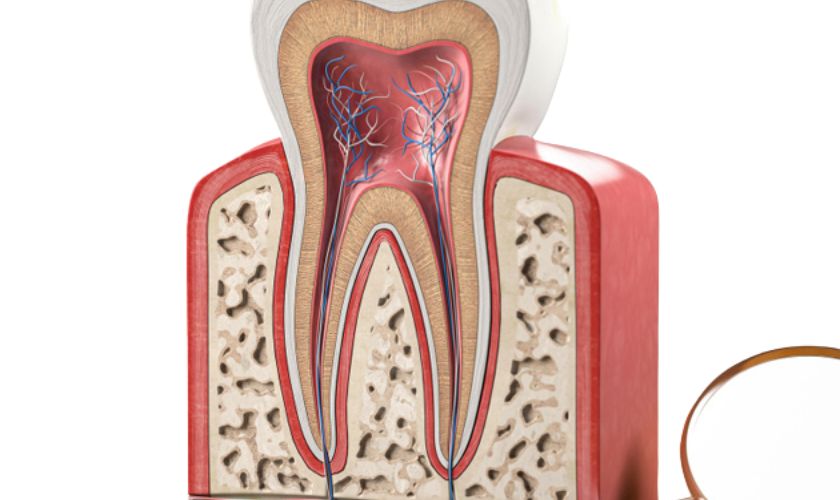
Root canal therapy, often simply referred to as a root canal, is a common dental procedure designed to save a tooth that has become severely infected or decayed. For residents of Marion seeking effective dental care, understanding the nuances of root canal therapy can help alleviate anxiety and ensure you receive the best possible treatment. This blog will explore what root canal therapy entails, why it’s necessary, and what you can expect from the procedure.
What is Root Canal Therapy?
Root canal therapy is a dental procedure aimed at removing infected or damaged tissue from the inside of a tooth. The procedure involves cleaning, disinfecting, and sealing the tooth to prevent further infection and preserve its functionality.
Why is Root Canal Therapy Necessary?
Root canal therapy becomes necessary when the pulp, the innermost part of the tooth containing nerves and blood vessels, becomes infected or inflamed. This can result from:
- Deep Decay: Untreated cavities that reach the pulp.
- Repeated Dental Procedures: Multiple treatments on the same tooth.
- Cracked or Chipped Teeth: Injuries that expose the pulp to bacteria.
- Trauma: Physical impact causing damage to the tooth structure.
Without treatment, an infected tooth can lead to severe pain, abscess formation, and eventually tooth loss. Root canal therapy helps save the tooth, alleviating pain and preventing further complications.
Symptoms Indicating the Need for Root Canal Therapy
Recognizing the symptoms that might indicate the need for a root canal is essential. Common signs include:
- Severe toothache when chewing or applying pressure
- Prolonged sensitivity to hot or cold temperatures
- Swelling and tenderness in nearby gums
- Darkening or discoloration of the tooth
- Persistent or recurring pimples on the gums
If you experience any of these symptoms, it’s crucial to visit your Marion dentist promptly for an evaluation.
The Root Canal Procedure
Understanding the steps involved in root canal therapy can help ease any apprehensions about the procedure. Here’s a detailed breakdown:
1. Initial Examination and Diagnosis
Your dentist will first perform a thorough examination, which may include X-rays, to assess the extent of the infection and determine if root canal therapy is the appropriate treatment.
2. Administering Anesthesia
Local anesthesia is administered to numb the affected area, ensuring you remain comfortable throughout the procedure.
3. Accessing the Pulp
A small opening is made in the crown of the tooth to access the pulp chamber. Special dental instruments are used to remove the infected or damaged pulp tissue.
4. Cleaning and Disinfecting
The inside of the tooth is meticulously cleaned and disinfected to remove bacteria and debris. This step is crucial to prevent further infection.
5. Filling and Sealing
Once cleaned, the empty pulp chamber and root canals are filled with a biocompatible material called gutta-percha. The tooth is then sealed to prevent recontamination.
6. Restoration
In most cases, a tooth that has undergone root canal therapy requires a crown or filling to restore its strength and functionality. Your dentist will discuss the best restoration option for your specific case.
Recovery and Aftercare
After the procedure, it’s normal to experience some sensitivity or mild discomfort, which can be managed with over-the-counter pain relievers. It’s essential to maintain good oral hygiene and attend follow-up appointments to ensure the treated tooth heals properly.
Benefits of Root Canal Therapy
Root canal therapy offers several benefits, including:
- Pain Relief: Alleviates the severe toothache associated with infected or inflamed pulp.
- Tooth Preservation: Saves the natural tooth, preventing the need for extraction and replacement with an artificial tooth.
- Prevention of Spread: Stops the infection from spreading to adjacent teeth and gums.
- Restored Functionality: Allows you to retain normal chewing and biting function with the treated tooth.
Finding a Reliable Dentist in Marion
For residents of Marion seeking root canal therapy, finding a skilled and experienced dentist is paramount. Look for a dental practice that offers comprehensive care, uses advanced technology, and has positive patient reviews. Your dentist should provide clear communication, detailed explanations, and compassionate care to ensure the best possible outcome.
Conclusion
It is a vital procedure for preserving dental health and alleviating pain caused by infected or damaged teeth. Understanding the process and knowing what to expect can help you feel more comfortable and confident about seeking treatment. If you’re experiencing symptoms that may indicate the need for a root canal, don’t hesitate to contact a trusted Marion dentist. Prompt attention and professional care can save your teeth and restore your oral health.
For more information or to schedule a consultation, visit your local dental clinic in Marion. They are equipped to provide the highest standard of care and guide you through every step of the root canal therapy process.