Restoring Gums for Health and Beauty
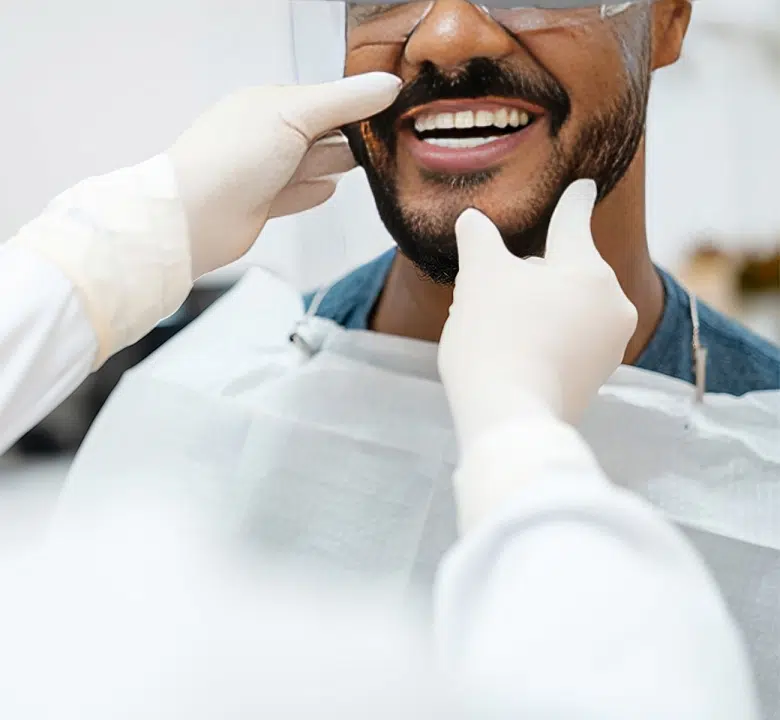
If you are experiencing receding gums, your dentist may suggest gum graft surgery as a solution. This procedure is designed to cover the exposed root of the tooth, preventing further recession and potential issues such as decay, bone degeneration, and tooth loss. In addition to these benefits, gum grafting can also reduce sensitivity to hot and cold foods, improve oral health, and enhance the appearance of both teeth and gums. It is important to note that due to the delicate nature of the procedure, gum grafting surgery should be performed by a surgical specialist.
Gum recession can be caused by various factors including gum disease, aggressive brushing, teeth grinding or clenching, hormonal changes, smoking, and lip piercings. To prevent further gum recession, it is crucial to adopt gentle brushing techniques twice a day, floss daily, and maintain regular dental cleanings every six months.
Gum Graft Surgery
Gum grafting is a procedure that aims to cover exposed tooth roots with gum tissue. Typically, tissue from the roof of the mouth is used for this purpose. The treatment can be performed on one or more teeth, depending on the severity and location of the gum recession.
There are different types of gum grafts available, and your doctor will recommend the most suitable one for your case. The most commonly used type is called a connective tissue graft, which involves using tissue from the palate. Another type is free gingival grafts, which are similar to connective tissue grafts but are used for patients with thin gum tissue. However, free gingival grafts are not as commonly used as connective tissue grafts due to the higher risk of pain during recovery. This is because the tissue is taken from the outermost layer of the palate, leaving the area exposed. Nevertheless, following post-operative instructions can help reduce the risk of pain.
Gum Recession Treatment
After gum grafting, it is normal to experience pain for the first 3 days, but it should decrease as you heal. You may also notice some swelling in the treated area, which can be reduced by applying an ice pack wrapped in a towel. It is recommended to alternate applying the ice pack for 10-20 minutes and then taking a 20-minute break during the first 48 hours after surgery. Your doctor will discuss pain relief options with you, such as Ibuprofen or a prescription pain medicine. Gum grafting is an effective procedure for treating gum recession, and with a skilled dentist and proper surgical technique, pain can be minimized. Contact our office near Marion, NC today to schedule a free consultation and 3D scan.