Better Outcomes through Early Detection
Early detection is crucial in the fight against cancer, including oral cancer. It is worth noting that 25% of oral cancer cases are diagnosed in non-smokers. Therefore, it is essential for every patient to undergo a painless and straightforward oral cancer screening. In the early stages, oral cancer may not exhibit any symptoms, underscoring the importance of a screening that can identify potential issues before they become visible or cause discomfort.
Signs & Symptoms
Oral cancer can manifest in various areas of the mouth, including the lips, cheeks, gums, tongue, the roof of the mouth, and other soft tissue surfaces. It can also develop in the back of the throat, known as oropharyngeal cancer.
The most common symptom of oral cancer is the presence of red or white sores that do not heal over time. These sores can appear as discolored patches or hard lumps. They may or may not be accompanied by pain. Since it can be challenging to differentiate cancerous sores from regular mouth sores, it is crucial to have regular screenings with your dentist.
Other symptoms of oral cancer include throat soreness, bad breath, and changes in the mouth, such as loose teeth or difficulty with chewing and swallowing. If you experience any of these symptoms, it is important to seek immediate medical attention. While conditions other than cancer can cause these symptoms, early detection by visiting a healthcare professional offers the best chance for improving your oral cancer prognosis.
Risk factors for oral cancer include:
- Smoking, Chewing tobacco & Dip
- Excessive alcohol consumption
- Poor diet
- HPV (human papilloma virus)
- Age (higher risk over 40 years old)
How Dentists Diagnose Oral Cancer
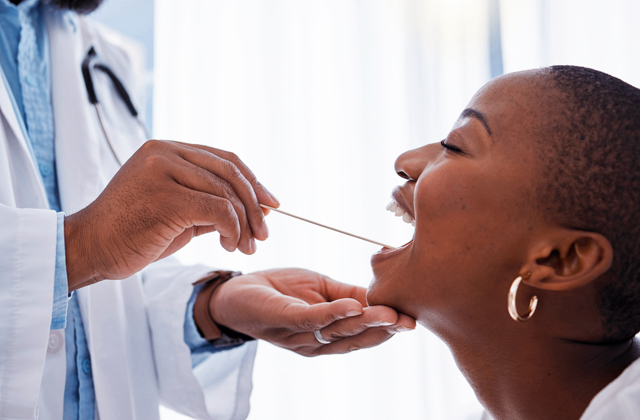
During your oral cancer screening, your dentist will visually examine your mouth and the surrounding areas using lights, mirrors, and other tools. This allows them to check areas that are difficult to see. They are also trained to identify subtle signs of cancer, such as asymmetrical features inside and outside the mouth.
Dentists now have access to a variety of cancer-detecting tools due to technological advancements. Specially designed lights can highlight potentially cancerous spots, and cleaning rinses can improve the inspection process. However, it's important to note that this equipment is used to enhance visual and physical examinations, not as a replacement for tried and true detection methods.
After completing an oral cancer screening, dentists will not immediately diagnose you with oral cancer. They may want to monitor the condition of your mouth and ask you to return for further testing. It's essential to understand that this does not necessarily indicate a problem. Detecting oral cancer can be complex, and the dentist may simply want to keep an eye on your oral health to ensure that more serious symptoms do not develop.
It's crucial to remember that early detection of oral cancer leads to an 80 to 90% survival rate. While oral cancer may seem frightening, we encourage you to voice any concerns to us as soon as possible. Early detection and lifestyle changes greatly improve the chances of a positive outcome. Therefore, don't forget to ask your dentist or hygienist for your annual screening.